Every season near Zion and Bryce Canyon has its own personality, and there isn’t really a wrong time to visit — just a different trip depending on when you come. Here’s what we tell guests who ask us when to book.
Spring (March–May)
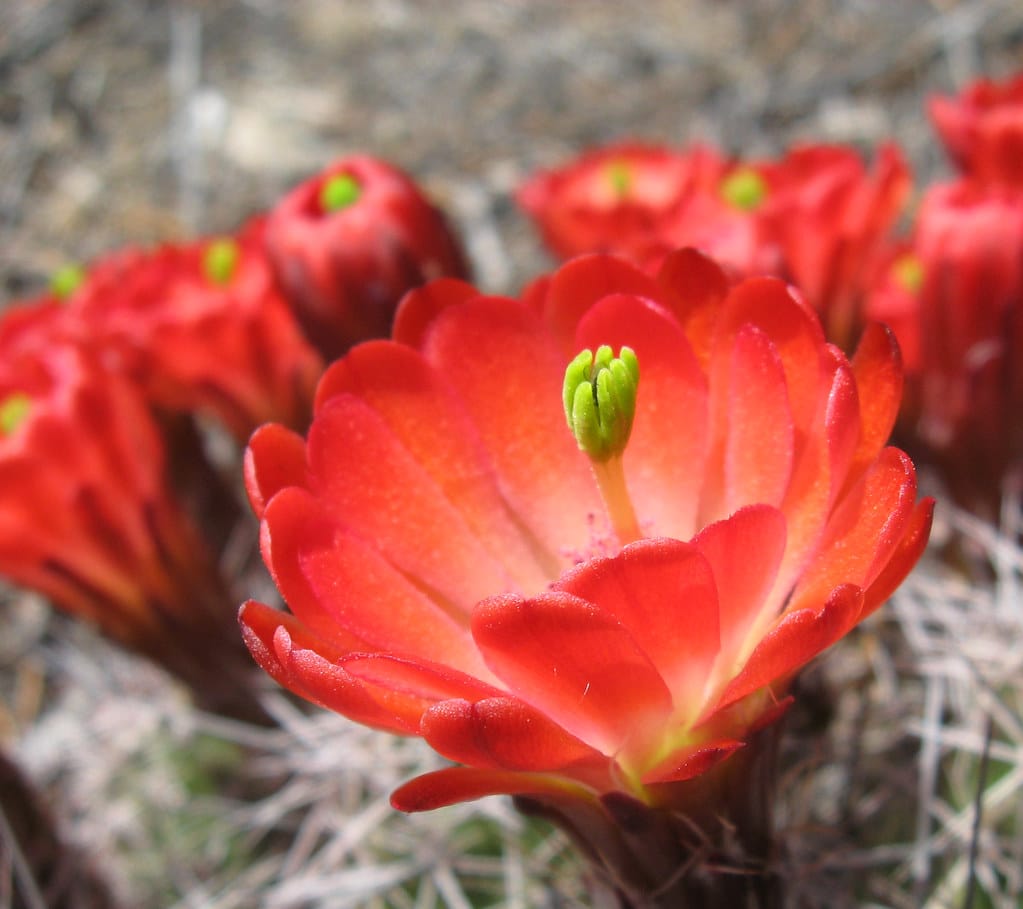
Wildflowers start appearing across the desert floor, temperatures are mild, and the crowds haven’t hit their summer peak yet. Water levels in Zion’s Virgin River are often higher from snowmelt, which can affect Narrows access, but East Zion’s dry trails are unaffected and this is one of our favorite windows for hiking.
Summer (June–August)
The busiest season, and the hottest. Zion Canyon can climb well past 100°F, so mornings are essential for hiking. Bryce Canyon, sitting over 8,000 feet, stays noticeably cooler and is a good afternoon escape from the heat. This is also when our private water fishing access gets the most use — a shaded evening on the water beats the midday sun every time.
Fall (September–November)
Our personal favorite. Crowds thin out after Labor Day, temperatures settle into the 70s and 80s, and the cottonwoods along the canyon bottoms turn gold. Clear, dry air also makes for some of the best stargazing conditions of the year.
Winter (December–February)
Quiet in the best way. Bryce Canyon dusted with snow against orange hoodoos is a genuinely striking sight, and Zion’s East Entrance sees a fraction of its summer traffic. Some high trails may require traction devices, but the main scenic drives and shorter hikes stay accessible, and you’ll often have viewpoints entirely to yourself.
Our take
If flexibility allows, aim for late September through October or April through early May. You’ll get comfortable weather, thinner crowds, and the parks at their most photogenic. Whatever season you choose, our homes in Glendale sit close enough to both parks that a shift in weather on one side rarely spoils a trip.
Check availability for your preferred season, or browse our properties to find the right fit.